What You’ll Learn in This Blog
|
Truck crashes in Florida don’t happen randomly.
Most drivers never think about truck crashes until a truck is right beside them on the highway. And by then, there’s very little time or space to fix a bad decision.
Truck crashes happen because drivers underestimate how trucks stop, turn, and respond in real traffic.
Florida’s highways carry heavy freight, tourist traffic, and aggressive commuting patterns. One rushed merge, one blind-spot mistake, or one wet curve can turn a routine drive into a serious crash. Preventing truck crashes is not about fear. It is about precision, awareness, and decisions made seconds earlier.
This guide breaks down how drivers and truckers can prevent truck crashes in Florida using proven safety rules, real crash data, and Florida-specific risk factors that most national guides ignore.
Why Preventing Truck Crashes Matters in Florida
Truck crashes aren’t just collisions. They’re life-changing events.
In Florida, where highways are dangerous and packed with commuters, tourists, and heavy freight traffic, the stakes are even higher.
Trucks don’t stop on a dime, their blind spots are large, and one moment of inattention can turn routine driving into tragedy.
Let’s Look At Some Florida & U.S. Truck Crash Stats
The Federal Motor Carrier Safety Administration (FMCSA) and National Highway Traffic Safety Administration (NHTSA) published their most recent statistics about truck crashes:
- Approximately 54 % of all fatal crashes involving large trucks occurred in rural areas, according to the FMCSA’s 2022 Large Truck and Bus Crash Facts report.
- About 27 % of these fatal crashes occurred on Interstate highways in 2022.
- Around 13 % of fatal large-truck crashes were on rural Interstate highways (i.e., crashes that were both rural and on Interstate roadways).
- In 2022, there were 5,936 people killed in traffic crashes involving large trucks in the United States.
- 70 % of those killed in large-truck traffic crashes were occupants of other vehicles, highlighting that non-truck occupants bear the majority of fatalities.
- 76 % of fatal crashes involving large trucks occurred on weekdays, reflecting peak traffic patterns where people commute, and freight movement is highest.
- According to the National Safety Council, Florida came in third for the highest number of deaths resulting from large truck crashes in 2023.
Trucks are inherently more dangerous than passenger vehicles. Their size, weight, and long stopping distances mean even minor errors can cause catastrophic damage. Unlike car-only collisions, truck crashes often involve multiple vehicles, complex liability, and severe injuries.
Understanding these risks and how they play out specifically on Florida roads is the first step to preventing crashes.
Every driver, from daily commuters to CDL operators, needs to know how to respond safely, anticipate hazards, and protect themselves and others.
Quick Safety Rules That Prevent Most Truck Crashes
These are the behaviors that reduce truck-related crashes most often—no explanations, no edge cases. If every driver followed these, Florida roads would be significantly safer.
For Drivers Sharing the Road
- Leave the extra following distance behind trucks.
- Stay out of truck blind spots.
- Never cut off a truck when merging or changing lanes.
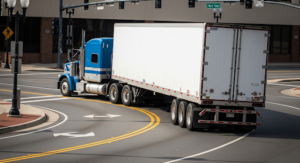
- Expect wide turns at intersections and exits.
- Signal early and drive predictably.
For Truck Drivers
- Complete every pre-trip inspection.
- Follow hours-of-service limits.
- Adjust speed for traffic, weather, and road conditions.
- Check mirrors frequently.
- Avoid all distractions and impairment.
These rules work because they address the most common failure points in truck crashes.
Why Trucks Are Different From Passenger Vehicles
Trucks don’t react like cars.
And that difference is at the heart of many serious crashes.
Large trucks require significantly more distance to stop, have blind spots that eliminate nearby vehicles from view, and must make wide turns that cross into adjacent lanes. These design realities leave little margin for error when other drivers misjudge spacing or speed.
In Florida crash investigations, these factors often determine fault, severity of injuries, and liability. What may look like a minor driving error in a car can become catastrophic when a fully loaded tractor-trailer is involved.
Understanding these semi truck facts helps explain why certain crashes happen—and why they often play a decisive role in Florida accident cases.
Safety Tips For Drivers Sharing The Road With Trucks
The rules above are simple. Applying them consistently — especially on Florida roads — is where most drivers struggle.
Stay Focused And Avoid Distractions
Phones, eating, and in-car screens steal the seconds you need to react around large trucks. Distraction is especially dangerous in heavy traffic and construction zones, where trucks have limited room to maneuver.
Manage Following Distance In Real Florida Conditions
Rainstorms, sudden slowdowns on I-95 and I-4, and tourist traffic all increase stopping distance. When roads are wet or visibility drops, extend your space behind trucks well beyond what feels comfortable.
Avoid Blind Spots When Passing Or Merging
Don’t linger alongside a truck. Pass decisively, and never assume a truck driver can see you just because you’re nearby. If you can’t see the driver’s mirrors, you’re likely invisible.
Be Predictable With Signals And Lane Changes
Abrupt exits, late signals, and sudden lane changes force truck drivers into emergency reactions. Clear signaling and steady positioning give them time to respond safely.
Give Trucks Room For Wide Turns And Stopping
At intersections and off-ramps, trucks need space to swing wide and slow down. Squeezing past a turning truck is one of the most common causes of side-impact crashes.
Takeaway: Around trucks, smooth and deliberate driving prevents emergencies before they start.
Safety Tips For Truck Drivers To Prevent Crashes
Professional drivers face unique pressures — tight schedules, heavy traffic, and long hours. Preventing crashes means staying disciplined even when conditions aren’t ideal.
Pre-Trip Inspections And Cargo Securement
Brake issues, tire failures, and shifting cargo are preventable causes of crashes. A thorough inspection before every trip reduces mechanical failures on the road.
Fatigue Prevention And Hours-Of-Service Compliance
Fatigue slows reaction time and decision-making. Following HOS rules — including the 14-hour and 60/70 limits — protects both drivers and everyone sharing the road.
Defensive Driving In High-Risk Environments
Florida interstates demand constant scanning and anticipation. Defensive driving means expecting sudden lane changes, congestion, and unpredictable behavior from passenger vehicles.
Speed, Weather, And Florida Road Conditions
Heavy rain, fog, and evacuation traffic change how a truck handles. Reducing speed and increasing spacing isn’t cautious — it’s necessary.
Distraction, Impairment, And Dot Compliance
Phones, substances, and in-cab distractions increase crash risk and liability. Staying compliant protects licenses, livelihoods, and lives.
Summary: Preparation, awareness, and discipline are what separate safe trips from serious crashes.
Most Common Causes Of Truck Crashes In Florida (And How To Prevent Them)
| Cause | Prevention |
| Speed too fast for conditions | Reduce speed for weather, curves, hills, and congestion |
| Driver fatigue | Follow HOS regulations, plan rest breaks, and avoid over-scheduling |
| Improper lane changes | Use mirrors, avoid blind spots, signal early |
| Poor vehicle maintenance | Conduct pre-trip inspections and secure cargo |
| Weather-related loss of control | Slow down, increase following distance, and anticipate slippery roads |
These aren’t theoretical risks. They’re the same issues examined in our breakdown of the 10 most common causes of truck accidents in Florida, where each factor is explained in more detail using real crash patterns and enforcement data.
Florida-Specific Risk Factors That Increase Truck Crashes
Florida presents risks that national safety pages cannot address directly.
High-Risk Freight Corridors
Interstates I-95, I-75, and I-4 carry dense truck traffic alongside aggressive commuter and tourist driving.
Construction Zones
Lane shifts and narrowed shoulders reduce maneuvering space for large trucks.
Seasonal Population Surges
Tourist seasons and snowbird migration increase unpredictable driving behavior, especially near exits and attractions.
Truck crash prevention in Florida requires adapting to these patterns daily.
What To Do After A Truck Accident In Florida
Even with prevention, crashes still happen. Knowing what to do protects health and legal rights.
- Seek medical care immediately.
- Preserve photos, vehicle data, and witness information.
- Avoid recorded statements with insurers.
- Speak with a Florida truck accident lawyer before the evidence disappears.
Post-crash actions matter as much as pre-crash decisions.
When Prevention Isn’t Enough
Truck crashes can change lives in seconds, even when you do everything right.
If a crash happens, having the right legal guidance matters. Truck Wreck Florida brings decades of experience handling serious truck accident cases across the state, with a focus on accountability and fair outcomes.
We handle the legal pressure and insurance battles so you can focus on recovery.
If you’ve been injured in a Florida truck accident, call Truck Wreck Florida today or book your free consultation online to help you understand your options and next steps.
Sources –
Federal Motor Carrier Safety Administration (FMCSA)
The FMCSA outlines strict rules and safety guidelines for commercial trucks. They cover areas such as driving hours, driver requirements, and vehicle maintenance.
National Highway Traffic Safety Administration (NHTSA)
The National Highway Traffic Safety Administration provides detailed statistics, research, and resources on truck accidents and highway safety, highlighting key trends and causes.
National Safety Council (NSC)
The National Safety Council provides research-based training, resources, and programs to promote safety at work, on the road, and in communities. It offers courses in defensive driving, first aid, and workplace safety, along with tools to assess and improve safety culture.
FAQ: Truck Crash Prevention and Safety
How long does it take a truck to stop?
At highway speeds, a loaded truck may need one to two football fields to stop, longer in the rain.
Where are a truck’s blind spots?
Directly in front, along both sides, and behind the trailer.
What should drivers do when a truck turns wide?
Stay back and never attempt to squeeze past the turn.
What is the 14-hour rule in trucking?
It limits how long a driver can be on duty in a workday.
What is the 60/70 rule?
It caps total driving hours over 7 or 8 days to prevent fatigue.
What should I do after a truck accident in Florida?
Seek medical care, preserve evidence, and consult a qualified Florida truck accident attorney.